
Explore Self-Tanning Lotion Choices at Sephora


Intro
In today’s world, a sun-kissed glow is not just a summer luxury; it’s a beauty staple that many aspire to year-round. However, with growing awareness about skin health and the harmful effects of UV rays, self-tanning lotions have emerged as a popular alternative. This article takes you on an in-depth journey through the self-tanning lotion options available at Sephora. From various formulations to the intricacies of application techniques, we’ll dissect what makes each product unique and effective. Whether you're a novice or a self-tan aficionado, understanding these products is vital for making informed choices. Additionally, we will highlight customer feedback and expert reviews, ensuring you find the right fit for your skin's needs.
Navigating the self-tanning aisle can feel overwhelming, especially when you consider diverse skin tones, desired outcomes, and unique formulations. Therefore, this guide aims to empower women of all ages by demystifying self-tanning products and providing practical advice that builds confidence in your beauty regimen. As we delve into this exploration, expect not only to learn about the best options at Sephora but also about how to achieve that coveted natural tan without the sun's damaging rays.
Foreword to Self-Tanning Lotions
With the world often promoting bronzed skin as a symbol of beauty and vitality, self-tanning lotions have become a go-to solution for many. It's not merely about color; it’s about creating a radiant and confident aura. The importance of self-tanning lotions lies not only in their ability to simulate sun-kissed skin without exposure to harmful UV rays but also in providing a level of convenience that aligns well with modern lifestyles.
Self-tanning lotions are a popular alternative for those who want that sunlit glow without the risks associated with traditional tanning methods. Sunbathing may offer a temporary tan, but prolonged exposure can lead to skin damage, premature aging, and an increased risk of skin cancer. Herein lies the utility of self-tanners: they can provide a beautiful skin tone without the downsides of sun exposure.
Furthermore, the versatility of these lotions means they are suitable for a wide range of skin types and tones. Whether one has fair or deep skin, there are formulations designed to enhance natural hues, offering all users a chance to embrace that sun-kissed radiance. For many women, the ability to control their tan through self-tanning products not only empowers their beauty choices but also enhances their self-esteem.
Also noteworthy is the variety of textures, scents, and finishes available in the self-tanning realm. From lotions to mousses, sprays to drops, there’s no shortage of options tailored to different preferences. Each formulation comes with its own set of characteristics, addressing specific needs and desires. Understanding how these different products work is critical for achieving the desired results.
Understanding Self-Tanning Products
Self-tanning products have surged in popularity, making them a favorite among beauty enthusiasts looking for a bronzed glow without sun exposure. Understanding these products is essential for anyone wanting to achieve that beautiful tan while also protecting their skin. Knowledge is power, and knowing what’s in these lotions is just as important as how to apply them.
Self-tanning lotions work by utilizing a compound known as dihydroxyacetone (DHA), which reacts with the amino acids in the top layer of your skin. This reaction creates a change in color, giving the effect of a tan. However, not all self-tanning lotions are created equal. Some are formulated with additional ingredients that focus on skin hydration, while others might include bronzers that provide instant color.
When selecting a self-tanner, consider the following:
- Skin Type: Different formulations cater to different skin types including sensitive skin, oily skin, or dry skin. Always make sure the product aligns with your skin's needs.
- Desired Shade: Some products offer a light glow, while others promise a deep, rich tan. Read product descriptions carefully to avoid surprises.
- Application Method: Self-tanners come in various forms - lotions, mousses, gels, and even towelettes. Knowing the best method that works for you can significantly affect the outcome of your tan.
- Longevity of Tan: Some self-tanners last longer than others. Generally, they can last anywhere from 4 to 10 days, depending on the formulation and your aftercare routine.
In a world where appearance often impacts self-esteem, self-tanning products provide a safe alternative to sunbathing or visiting tanning beds. By understanding these products better, you can enhance your beauty routine, ensuring you look your best without compromising skin health.
The Science Behind Self-Tanning
The mechanism of self-tanning products primarily relies on the chemical reaction involving DHA. This process doesn’t produce a tan in the traditional sense, which requires skin pigmentation via UV rays. Instead, DHA reacts with the dead skin cells on the surface to create a temporary color change.
Understanding how DHA works highlights the importance of proper application. Uneven distribution can lead to patchy results, not a look anyone desires. Thus, many brands emphasize the need for thorough exfoliation before applying the product, ensuring an even canvas.
"Self-tanners, when applied correctly, can provide a pleasing aesthetic that rivals the look of sun-kissed skin. It’s all about the preparation!"
Another factor at play is the guide color often included in self-tanners. This is the immediate tint that offers a visible guide as you apply. It helps avoid streaks and allows you to see which areas may need more attention. After the product develops, this guide color typically washes away, revealing the longer-lasting tint.
Differences Between Self-Tanners and Traditional Tanning Methods
When discussing self-tanners, it’s essential to differentiate them from traditional tanning methods. While sun exposure leads to the production of melanin, resulting in a darker skin tone, self-tanners provide a cosmetic solution that doesn’t depend on UV rays.
Here are the key differences:
- Safety: Traditional tanning can lead to skin damages, like sunburn or long-term issues such as skin cancer. Self-tanners are, in contrast, a safer option.
- Duration: Traditional tans depend on the sun and usually last until the skin naturally exfoliates, while self-tanners can last 4-10 days based on the product and skin maintenance.
- Color Variation: With tanning beds and sun, you often can’t control the shade completely, which can lead to undesirable results. Self-tanners can be selected based on desired shade intensity.
- Ease of Use: Applying a self-tanner can be done in the comfort of one’s home, making it a convenient option.
Advantages of Using Self-Tanning Lotions
Self-tanning lotions have gained popularity among beauty enthusiasts for good reason. They offer a range of advantages that step aside from traditional tanning methods, making them an appealing choice for many. The shift towards self-tanning products is largely fueled by growing health awareness and a desire for convenience.
One of the most pronounced benefits lies in health considerations. Self-tanning lotions allow users to achieve that coveted sun-kissed glow without the damaging effects of UV radiation. This means no more worrying about sunburns, premature aging, or even skin cancer. With self-tanners, consumers can enjoy a bronzed look knowing they are actively reducing health risks associated with sun exposure. However, users should still pay attention to their skin’s health through other protective measures, especially if they spend extended time outdoors.
Moreover, there’s an undeniable sense of convenience and accessibility when it comes to self-tanning lotions. While tanning beds or lengthy hours spent under the sun might not fit everyone's schedule, self-tanners can essentially be applied anytime, anywhere. Whether you’re prepping for a night out or a beach trip, the ease of application makes achieving a golden complexion a seamless task.
Consider the following points:
- Time-Saving: Self-tanners can be applied in just a few minutes, unlike the lengthy process of sunbathing.
- Controlled Results: Users can build up color gradually, enabling them to achieve the desired shade without the risk of overexposure.
- Affordable Options: Many self-tanning lotions at Sephora cater to various budgets, offering quality results without breaking the bank.
Given the appeal of instant results and minimal health risks, self-tanning lotions serve as a smart alternative to sunbathing or tanning beds. As awareness grows around skin care and protection, it’s no surprise that women of all ages gravitate towards these products when seeking an artificial glow.
"Self-tanning lotions have opened doors for people to enjoy a bronzed skin tone in a safe and efficient manner."
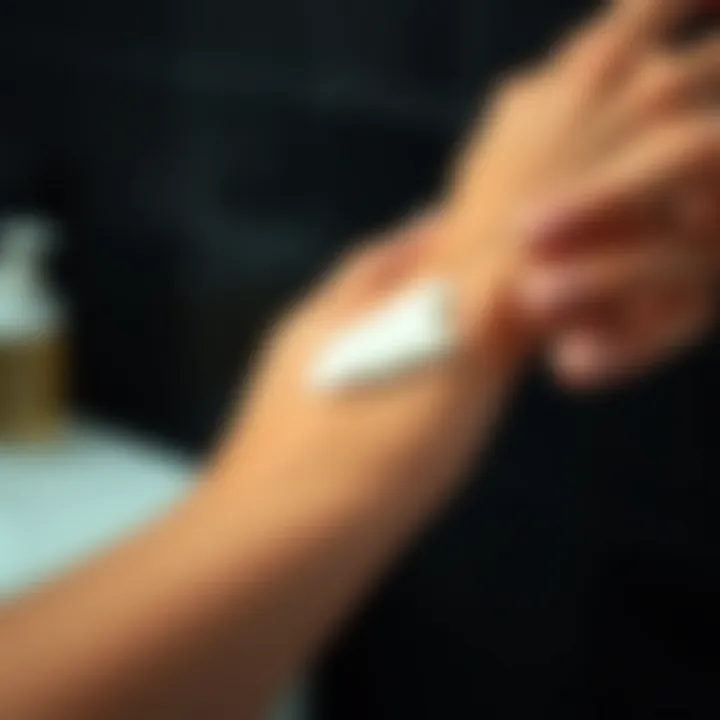
In summary, opting for self-tanning lotions not only reduces health risks, but it also aligns well with modern lifestyles, offering convenience, ease of application, and budget-friendly options.
Popular Self-Tanning Lotions Available at Sephora
Diving into the realm of self-tanning lotions available at Sephora can feel a bit like navigating a bustling marketplace. There are numerous options to choose from, and each one has its own distinct features and promises. Selecting the right self-tanning lotion isn’t just about picking a brand; it’s about finding a product that fits individual skin types, preferences, and desired outcomes. The importance of this topic lies in its relevance to achieving a natural, sun-kissed glow without the adverse effects of prolonged sun exposure.
Understanding what products are on offer and their respective attributes empowers consumers to make educated choices in their beauty routine. This is especially vital for individuals who might be venturing into the self-tanning world for the first time or those looking to upgrade their current options. The search for the perfect self-tanner can also be an interesting journey, rife with experimentation, and discovering what works best for oneself.
Analyzing Top-Selling Brands
In the self-tanning market, brand reputation often speaks volumes. Names like Saint Tropez, Isle of Paradise, and Bondi Sands are often at the forefront of consumer choices at Sephora. Each of these brands brings something unique to the table, be it in terms of formulation, scent, or user experience. For instance, Saint Tropez is renowned for its streak-free formula and varied product offerings from mousses to sprays. Isle of Paradise offers a range of options that cater to different skin tones, focusing on developing a customized tanning effect. Meanwhile, Bondi Sands is celebrated for its comfortable application process and quick-drying properties.
These brands place a significant emphasis on combining innovation with skin-nourishing ingredients, appealing to both beauty aficionados and everyday users alike. Knowing the top-selling brands helps individuals align their preferences with trusted products that have stood the test of time and consumer scrutiny.
Spotlight on Specific Products
Product A Overview
Saint Tropez Classic Self Tan is a flagship product that many swear by. The lotion is famous for its ability to deliver a reliable, bronze finish without any unpleasant odor. This self-tanner’s key characteristic is its lightweight formulation that absorbs quickly into the skin, allowing for a comfortable wear. It is a go-to choice for those who want a natural-looking tan that can be built up, thanks to its adjustable application process. One unique feature of this product is its guide color, which provides immediate satisfaction while the actual tan develops over several hours. The only drawback could be that without proper exfoliation beforehand, it can cling to dry patches, emphasizing them more than desired.
Product B Overview
Isle of Paradise Self Tanning Drops offer a customizable tanning experience, allowing users to mix drops into their favorite moisturizers. This adaptability is the key feature and a game changer for many. Unlike traditional lotions, these drops cater well to various skin tones, thanks to its innovative color-correcting technology infused into the formula. It presents an appealing option for those who are still hesitant about committing to a full tanning lotion. However, the drops may require a bit of practice to master the right mixture for desired color intensity, leaving some users feeling a bit bewildered initially.
Product Overview
Bondi Sands Aero Ultra Dark is known for its unique air-whipped formula that promises both ease of application and quick results. This product stands out with its drying time, which is significantly faster than traditional lotions and allows users to move on with their routines without waiting long. Additionally, its rich, dark finish speaks to those who prefer a more defined tan. The notable downside may be that first-time users could be surprised by the depth of the color, requiring careful application to avoid any orange tints.
Selecting the right self-tanning lotion from Sephora isn't merely a matter of buying a brand; it encapsulates various elements, including how it works with one’s skin, desired results, and personal preferences in application. It’s about finding that product that resonates with one’s own beauty journey.
Product Formulations and Ingredients
In the landscape of self-tanning lotions, product formulations and ingredients play a pivotal role. When consumers head to Sephora in search of the ideal bronzing solution, understanding what's packed inside those bottles can make all the difference. Many women might overlook the fine print, but the ingredients list is where the true magic lies. Knowing how these components interact with the skin helps in making informed decisions, ensuring that the product you choose not only gives that sun-kissed glow but also keeps your skin healthy and happy.
Understanding Key Ingredients
The backbone of any self-tanning lotion consists of active ingredients that work together to achieve that golden tan without exposure to harmful UV rays.
- Dihydroxyacetone (DHA): This is the star ingredient in most self-tanners. Derived from sugar beets or sugar cane, DHA reacts with the amino acids in the skin's outer layer, leading to a browning effect. It's essential for achieving that desired bronze tone. The reaction typically begins after a few hours, which is why some products recommend waiting before showering.
- Erythrulose: Similar to DHA, this component also contributes to the browning effect. Often used alongside DHA, it provides a more even and longer-lasting tan. It’s less common than DHA but can add depth to the tanning effect.
- Moisturizers: Ingredients like aloe vera, glycerin, and various oils help to hydrate the skin. A well-hydrated canvas will ensure an even application and longer-lasting effects. When the skin is dry, the self-tanner can cling in patches, making the overall appearance uneven. Hydrating agents are critical, particularly in maintaining a glowing look post-application.
- Antioxidants and Vitamins: Vitamins C and E often pop up in high-quality formulations. These antioxidants are not just buzzwords; they help protect the skin from environmental damage and can improve the overall skin texture.
By being aware of these key ingredients, consumers can better understand how a product will interact with their skin.
Natural vs. Synthetic Ingredients
The discussion of natural versus synthetic ingredients in self-tanning products can be quite nuanced. On one hand, there’s a growing trend toward natural formulations. Ingredients derived from nature are marketed as being healthier and more skin-friendly. Coconut oil, derived from coconuts, is often found in these formulas, providing moisture while delivering a nutritional benefit for the skin. Likewise, plant extracts and botanical oils appeal to environmentally conscious consumers who prioritize gentler products.
However, synthetic ingredients shouldn't be cast aside as mere evils. Many are made to enhance absorption and longevity. Furthermore, synthetic options can have more stability, meaning a more consistent product over time. A well-balanced self-tanning lotion could effectively use both natural and synthetic compounds.
It's crucial for consumers to research and test products, especially if they have sensitive skin or specific allergies. Here’s a quick comparison for consideration:
- Natural Ingredients:
- Synthetic Ingredients:
- Often perceived as safer and better for the skin
- Might have inconsistent results due to natural variability
- More predictable in terms of performance
- Can irritate sensitive skin in some cases
"The ingredients are often your only shield against an uneven tan; don’t simply buy into marketing – know what you’re applying on your skin."
When navigating through Sephora's self-tanning aisle, it’s empowering to select lotions that not only promise a glow but also align with your personal preference regarding ingredients. Knowledge is your golden ticket in achieving that flawless, bronzed complexion.
Application Techniques for Optimal Results
The success of self-tanning lotions largely hinges on how well the product is applied. Mastering application techniques ensures that you achieve an even, natural-looking tan that can last longer. Failing to do so can result in streaky, uneven tones that might leave you feeling less than satisfied. Hence, understanding the key techniques can be a game changer in your self-tanning journey.


Preparing the Skin for Application
Before diving into the tanning process, get your skin ready. This step is crucial. Smooth, clean skin allows the self-tanner to adhere properly, leading to a more uniform result. Here are some effective preparation tips:
- Exfoliation: Use a gentle exfoliating scrub to remove dead skin cells. Be sure to pay attention to areas prone to dryness like elbows, knees, and ankles.
- Moisturization: Apply an oil-free moisturizer to dry areas to help prevent the tanning solution from clinging to patches. Just a light layer will do – you're not looking to over-moisturize.
- Avoid Heavy Creams: Using thick creams or oils right before applying self-tanner can create a barrier that disrupts the tanning process.
Step-by-Step Application Process
Now that your skin is prepped, follow these steps for a flawless application:
- Choose the Right Setting: Opt for a well-lit area, ideally in front of a mirror. You want to see every inch.
- Use Gloves or a Mitt: Wearing gloves or a self-tanning mitt helps to prevent your palms from staining and ensures even coverage.
- Start from the Bottom Up: Begin applying from your feet, moving upwards. This helps you avoid those unsightly drips that can happen when you apply tanner from the top down.
- Apply in Circular Motions: Use smooth, circular motions to blend the product into your skin. Don't rush this step; a little care goes a long way in ensuring even application.
- Mind the Edges: When you reach areas like your wrists and ankles, take a lighter hand, blending carefully to avoid a stark contrast.
- Drying Time: Allow the self-tanner to dry properly before getting dressed, usually around 10-15 minutes. This helps in preventing smudges.
"The biggest mistake is thinking that you can skip prepping your skin. Even the best self-tanner won't help if your base isn't right."
Avoiding Common Mistakes
Even seasoned self-tanners can fall prey to some common pitfalls. Here are a few mistakes that are easily avoidable:
- Over-Application: Applying too much product can lead to an unnatural, orange hue. Less is often more when it comes to self-tanner.
- Skipping the Exfoliation: As mentioned earlier, neglecting to exfoliate can cause your tan to cling to dry patches.
- Rushing the Process: Taking shortcuts when applying or failing to wait for adequate drying time can ruin an otherwise great tan.
- Ignoring the Instructions: Each product may have specific guidelines. Failing to read them may lead to unintended results.
By focusing on these application techniques, you’re setting yourself up for success with your self-tanning products. Mastering these steps can elevate your tanning experience, leading to that desired sun-kissed glow.
Maintaining and Extending Tan Duration
Maintaining a self-tan is crucial for achieving that sun-kissed glow you desire, and doing it well can make all the difference in your overall look. A self-tan can elevate your confidence and even skirt some insecurities about skin tone. Understanding how to properly care for and extend your tan will save you time and money spent on reapplications and keep your skin looking vibrant. Here, we’ll delve into the nuances of aftercare and touch-up techniques that ensure your tan lasts as long as possible while looking natural.
Aftercare for Self-Tans
After applying self-tanning lotion, the way you treat your skin can determine how long the bronze hue will stick around. Following some simple yet effective aftercare steps can truly enhance the longevity of your tan. Here are some fundamental aspects to consider:
- Hydration is Key: Keeping your skin moisturized is essential. When the skin is well-hydrated, it doesn’t flake off and the tan remains even. Use gentle, non-exfoliating lotions for best results. Good options often include products with hyaluronic acid or aloe vera, as these ingredients help lock in moisture.
- Avoid Swimming: While it can be tempting to dive into the pool or a hot tub, chlorinated water can cause your tan to fade prematurely. It’s better to wait at least 24 hours after application before exposing your skin to water, and try to steer clear of heavy swimming or bathing until you’re content with your tan.
- Be Mindful of Clothing: Wearing tight or rough fabrics can lead to unwanted wear on your tan. Opt for looser garments post-application to minimize rubbing and potential streaking.
Incorporating these aftercare steps can make a world of difference in the life of your tan, allowing you to shine like the star you are.
Understanding Fading and Touch-Up Options
As time passes, it’s natural for your tan to start fading. Your skin's natural exfoliation process coupled with exposure to the elements will gradually dull its shine. However, you don’t have to resign yourself to a splotchy look. Recognizing how to manage fading and knowing how to do touch-ups can help you maintain a consistently radiant complexion:
- Watch Your Routine: If you have a habit of using scrubs or exfoliating products frequently, consider dialing these back while your tan is still vivid. Instead, switch to gentler cleansers that won’t strip your skin.
- Consider the Use of Gradual Tanners: Gradual tanners are an excellent way to manage fading. These lotions enhance your tan gradually, helping to unify the color and extend its life without the need for full reapplications.
- Spot Touch-Ups: Armed with a self-tanning mist or lotion, you can apply targeted fixes to areas that may fade quicker, like the elbows or knees.
"A little extra care goes a long way in prolonging the glow you’ve earned."
Customer Feedback and Product Ratings
Customer feedback is a pivotal aspect in the beauty product ecosystem, particularly when it comes to self-tanning lotions. Women often find themselves navigating a sea of options at Sephora, hoping to discover a product that delivers on its promises. Reviews provide real-life insights, revealing how well these lotions perform on various skin types and tones. Understanding customer ratings can guide potential buyers in making informed choices, ensuring they pick a product that's right for their individual needs.
The importance of customer feedback goes beyond surface-level observations. It helps build a community of users who share their experiences, triumphs, and pitfalls. When a product receives high praise for its natural-looking results or an easy application process, it garners attention. Likewise, persistent complaints about streaking or an undesirable scent can deter shoppers from making a purchase. Essentially, customer ratings act as a beacon of trust amid a crowded market.
Several elements are instrumental in analyzing feedback:
- Authenticity of Reviews: Genuine reviews lend credibility. Buyers should look for detailed feedback rather than generic compliments.
- Diversity of Experiences: Products can behave differently on different skin types. Feedback from varied demographics offers a broader perspective.
- Functionality and Usability: Consider aspects like application ease, drying time, and scent—all of which are frequently highlighted in customer ratings.
"When it comes to self-tanners, the experiences of others often weigh more than marketing claims. It's like asking your friend for advice instead of reading the label."
Empowerment comes when women engage with these reviews, gaining invaluable insights that can influence their buying decisions positively. Listening to the chorus of opinions helps identify standout products and avoiding ones that could be less compatible with their goals.
Analyzing Customer Reviews
Delving into customer reviews requires a discerning eye. Start by identifying patterns within the feedback. For instance, if multiple users mention that a self-tanning lotion gives a consistent, even tan, this indicates reliability. Conversely, a chorus of criticisms surrounding excessive orange tint should raise red flags.
Key components to consider in reviews include:
- Effectiveness: Does the product truly deliver? Phrases like "natural-looking" and "streak-free" frequently pop up in positive reviews, signifying effectiveness.
- Longevity of Results: Reviews often highlight how long the tan lasts before requiring a touch-up. Consistency in results over time can make or break a user's satisfaction.
- Skin Reactions: For those with sensitive skin, customer reviews will typically provide insight into how a product performs, including any adverse reactions.


By consistently evaluating these factors, potential buyers can cultivate a sharper understanding of what to expect. It's akin to piecing together a puzzle where every review adds depth to the overall picture.
Assessing Market Trends Based on Feedback
Market trends often emerge from analyzing the chorus of consumer feedback. These trends don't just reflect what's currently popular; they reveal shifting preferences and emerging needs among shoppers. For example, an increase in interest for eco-friendly products can signal a wider cultural movement towards sustainability in beauty routines.
Here are some valuable trends that can be observed through customer feedback:
- Shift Towards Natural Ingredients: As more customers favor lotions that utilize organic or cruelty-free components, brands that highlight these attributes may gain a competitive edge.
- Popularity of Ease of Use: Understanding how busy lifestyles impact beauty choices can inform what self-tanning products succeed: those that offer convenience often receive higher praise.
- Social Media Influence: Platforms like Instagram or TikTok can drastically alter the popularity of specific products. Observing customer feedback from these channels provides real-time insight into what’s trending.
Assessing these trends can provide brands direction on product development and marketing strategies. Additionally, informed consumers can amplify their understanding of what’s currently resonating within the self-tanning community.
Engaging in this practice not only empowers customers but actively shapes the self-tanning market, pushing it toward more informed, conscientious offerings.
Expert Opinions on Selecting Self-Tanning Lotions
Selecting a self-tanning lotion can be as personal as choosing the right shade of lipstick. Given the myriad of options on the market, expert opinions can serve as a valuable compass for women seeking that perfect bronzed glow. Beauty professionals, with their extensive knowledge of skin care and product formulations, provide insights that can simplify the decision-making process.
Advice from industry insiders often emphasizes the importance of knowing one’s skin type. For instance, darker skin tones may benefit from products with a deeper base of ingredients like erythulose, which can provide a more natural finish. On the contrary, those with fair skin might aim for formulas that offer a gentle tan, such as lotions infused with aloe vera or coconut oil to keep the skin hydrated and avoid orange undertones. This nuanced understanding of how different products interact with various skin types is essential for achieving a beautiful outcome.
"The right self-tanner can work wonders, but a one-size-fits-all approach won't cut it. Get to know your skin before choosing a product."
— A renowned beauty educator
Understanding the ingredients and their intended effects becomes crucial, especially when considering factors like longevity and scent. Some formulas might have a notoriously strong odor which could deter those sensitive to fragrances. Experts suggest opting for products that use natural scents or are marked as fragrance-free if that’s a concern.
Advice from Beauty Professionals
Beauty professionals often advise conducting a patch test before fully committing to a self-tanner. This simple step determines how your skin responds to a particular product, potentially saving you from an uneven application.
- Patch Testing: Apply a small amount of the lotion on a hidden area of skin to see how the color develops over a few hours.
- Product Selection: When navigating Sephora’s shelves, experts often recommend sticking to reputable brands known for their quality formulations. These brands invest in research that ensures optimal results in terms of color development and skin feel, enhancing overall customer satisfaction.
These insights from beauty specialists underscore the significance of informed choices, steering away from impulse purchases that may not yield the desired results.
What to Look For in Quality Products
When it comes to quality self-tanning lotions, there are specific characteristics to keep an eye out for:
- Ingredient Transparency: Quality brands often list ingredients clearly, allowing you to understand what’s going onto your skin.
- Natural Botanicals: Look for self-tanners rich in natural ingredients like jojoba oil or vitamin E which nurture the skin while providing that sunny sheen.
- Skin Compatibility: Products designed for specific skin types can give an added assurance of tailored suitability.
- User-Friendly Application: Good self-tanners often come with guides on how to use them effectively, reducing the chances of mishaps during application.
Each of these points helps guide the reader towards making a confident choice. While many options exist, expert guidance can help in narrowing down the search to find a self-tanner that meets both personal needs and aesthetic goals. The method to shine your way to a beautiful, bronzed finish starts with the right knowledge.
End and Final Thoughts
In the ever-expanding world of beauty and self-care, self-tanning lotions stand out as a popular choice among those looking to achieve that coveted sun-kissed glow without the associated risks of sun exposure. This article has walked you through not only the myriad options available at Sephora but the science behind self-tanning products, their advantages, and the intricacies of their application.
Importance of Understanding Self-Tanning Products
As beauty standards evolve, understanding the options available becomes increasingly crucial. Self-tanning lotions are not just about achieving a tanned look; they bring along benefits that cater to health, convenience, and versatility. Knowing how different ingredients can interact with your skin is immensely valuable. For example, recognizing dihydroxyacetone (DHA) as a key active ingredient helps consumers make informed choices instead of falling prey to marketing buzzwords.
Benefits of Knowledge
Arming oneself with knowledge about application techniques is extremely empowering. To get the best results, you can’t simply slather on the product and hope for the best.
- Preparation is key. Exfoliating beforehand allows for a smoother application.
- Understanding the importance of even distribution can prevent those awkward streaks that often accompany a rushed application.
- Remember the aftercare; it directly influences how long your tan will last.
Being aware of common pitfalls, like environmental factors impacting tan longevity, can save one from disappointment.
Considerations on Selection
When it boils down to choosing a product, remember that no two self-tanners are made equal. Your skin type and desired outcomes should guide your search for the right self-tanning lotion. For instance, someone with fair skin may benefit from a lighter formula, while those with a deeper skin tone might appreciate a richer formulation to avoid looking unnaturally orange.
"Selecting a self-tanning product hinges on a deeper understanding of your unique skin needs and personal preferences."
Final Thoughts on Self-Tanning Lotions at Sephora
As you explore your options, don't hesitate to experiment with various products. Self-tanning lotions at Sephora cater to a wide spectrum of skin tones and lifestyles, enabling users to sculpt their desired look. While the science behind self-tanning is crucial, the individual experience each product offers also matters significantly.
Ultimately, confident application leads to a more satisfying result, enhancing self-esteem and allowing you to show your most radiant self. Understanding these facets prepares you not just for a tanned complexion but also for a fuller comprehension of beauty products overall, contributing to a well-rounded self-care routine.
Whether you’re preparing for a special occasion or simply wish to embrace a year-round glow, navigating through the plethora of options available can transform your experience with self-tanners into something enriching and enjoyable.